Sumio Suzuki
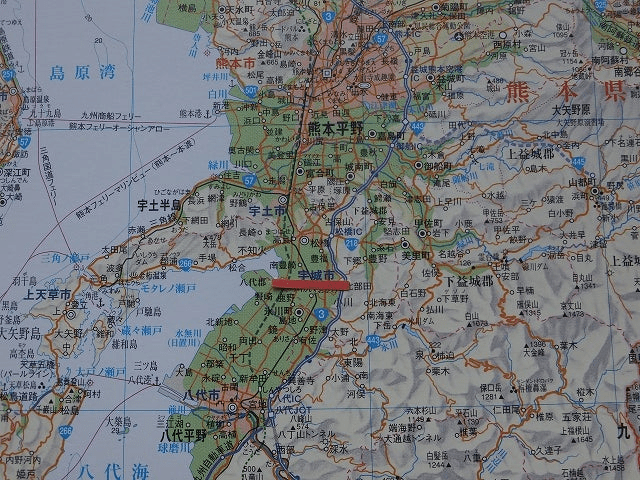
Takezaki Suenaga was recognized for his merits in the Bun’ei Campaign and, in October of Kenji 1 (1275), was appointed jitō (land steward) over four coastal districts (kaidō yon-gun), corresponding roughly to the present-day area of Uki City, Kumamoto Prefecture.
In March of Kenji 2 (1276), for defensive purposes, the shogunate mobilized provincial governors (shugo), land stewards (jitō), and local warriors (jizamurai) from the western provinces of Kyushu to begin construction of stone defensive walls (ishitsukiji). The total length reached approximately 20 kilometers, and construction was completed in August.
(The wall extended from Kashii in Fukuoka City through Hakozaki, Hakata, Momochihara, Ikinomatsubara, and Imajuku to Imazu-Ōhara.)
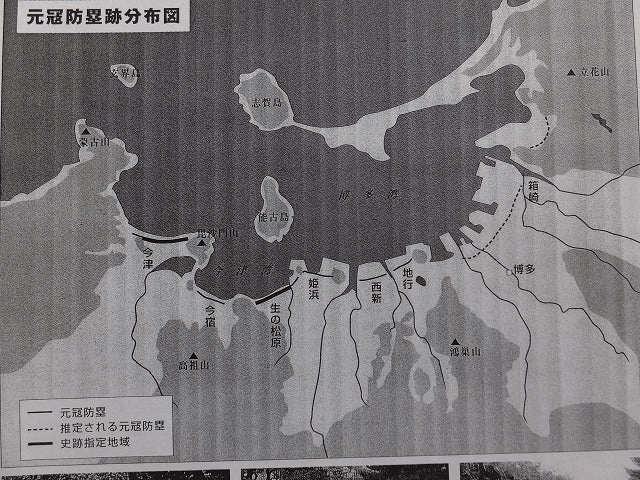
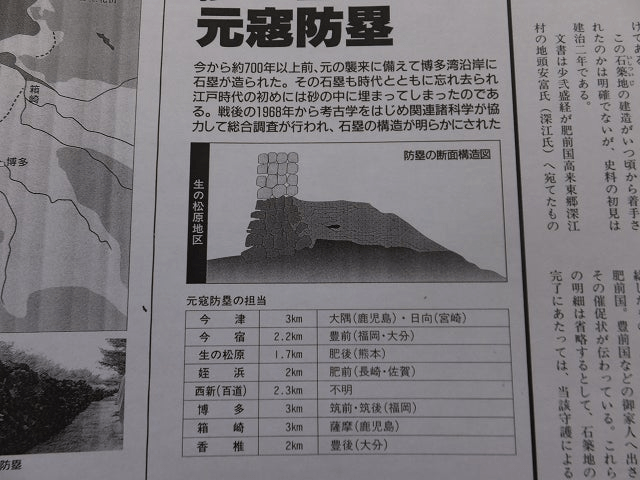
Ikinomatsubara Area:
On the seaward side, stones were stacked to form the wall, while the rear was reinforced by compacted earth and sand. The stone wall stands at approximately 2.5 meters in height. Behind the crest, the structure steps down to form a passageway, and further behind, the ground slopes southward. The stone materials used on the front face vary by section: giant-crystal granite was used from the central area westward, while sandstone was used to the east.
(This indicates that governors, land stewards, and local warriors from the provinces of Ōsumi, Hyūga, Buzen, Higo, Hizen, Chikuzen, Chikugo, Satsuma, and Bungo were mobilized.)
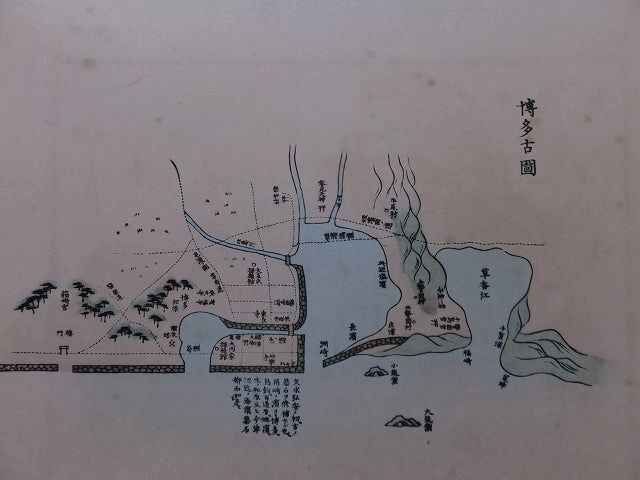
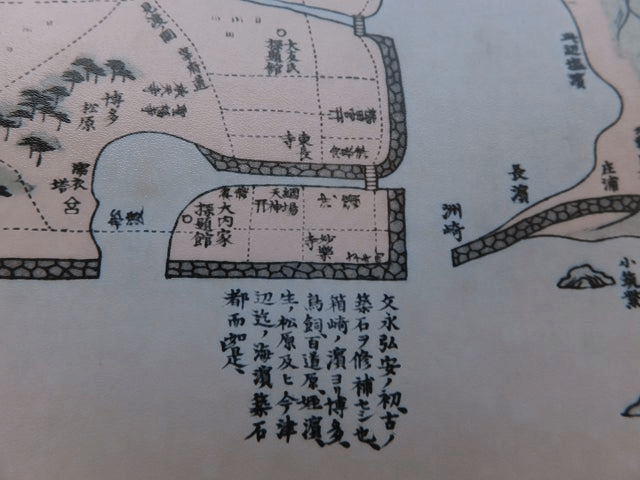
Ancient Illustrated Map of the Mongol Invasion Defense Line at Hakata (Contains descriptions consistent with the above)
On June 6 of Kōan 4 (1281), the Mongol forces again invaded Japan with 40,000 soldiers and 900 ships from the Eastern Route Army, and 100,000 soldiers and 3,500 ships from the Southern (Jiangnan) Army.
With Dazaifu Vice-Governor Saburōzaemon-no-jō Kagesuke as commander-in-chief, approximately 65,000 Japanese troops repelled the invasion.
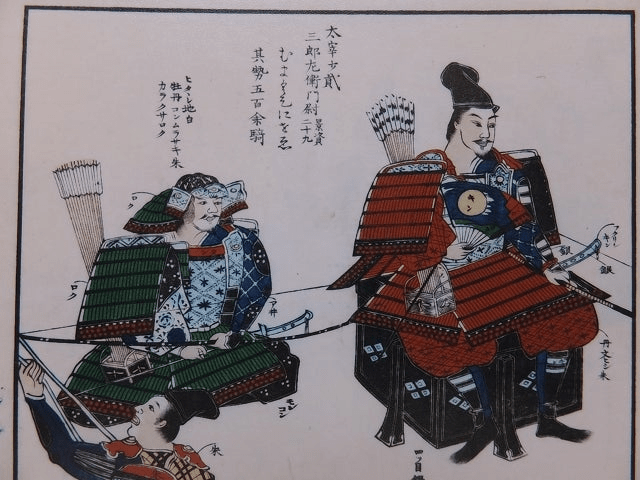
The phrase “uma gusoku ni oe” appears in the scrolls, but its precise meaning is unclear to me. It may indicate that preparations of armor suitable for mounted combat had been completed.

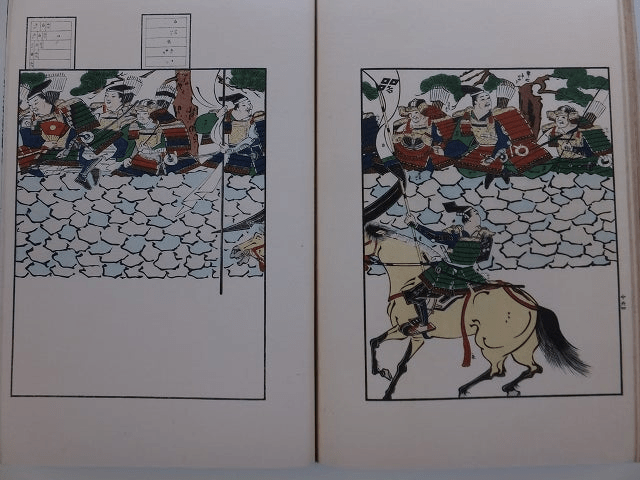

Warlords stationed along the stone defenses and mounted warriors riding into battle
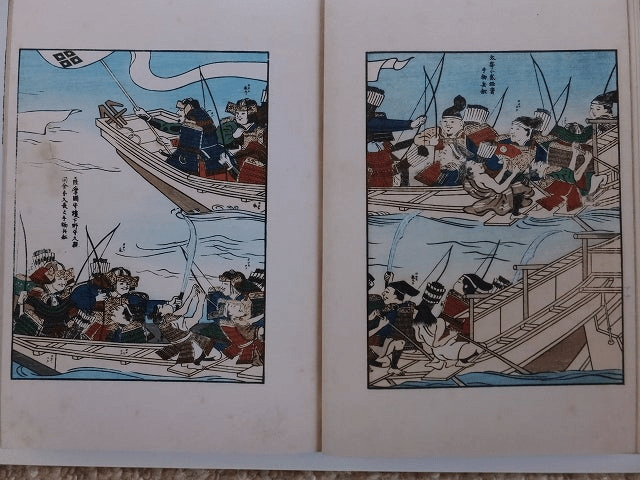
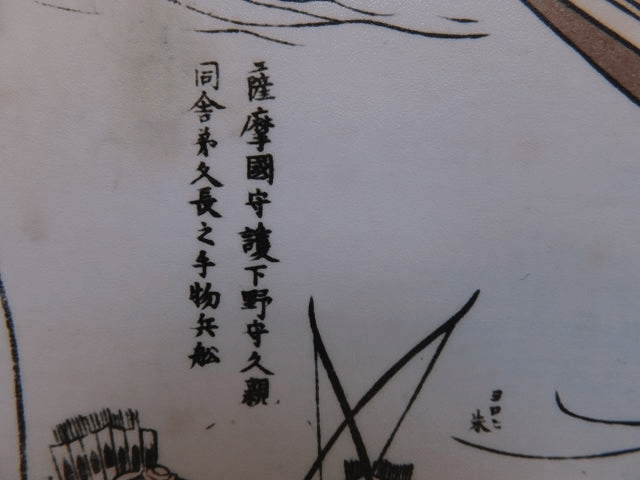
The names of Shimotsuke-no-kami Hisachika, governor of Satsuma Province, and his younger brother Hisanaga appear among those boarding military vessels.
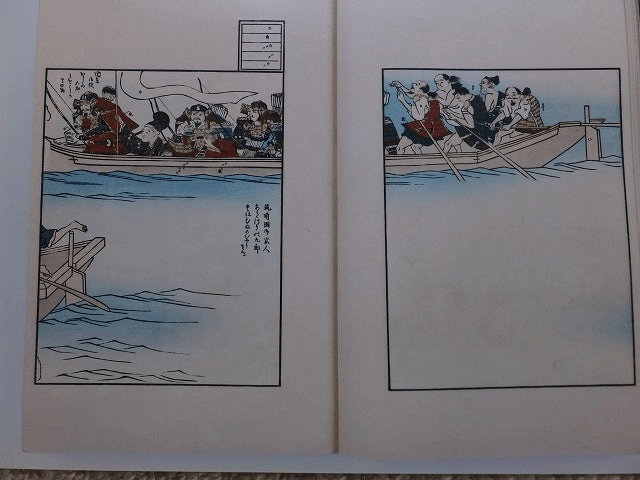
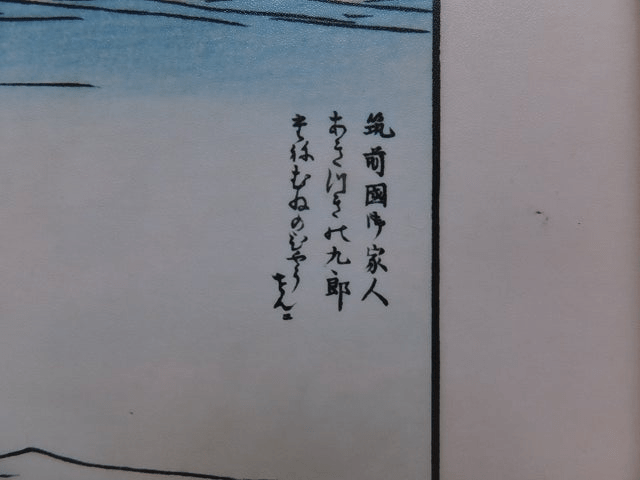
Among the Kyushu warriors boarding the warships is the name “Akizuki Kurō, retainer of Chikuzen Province.”
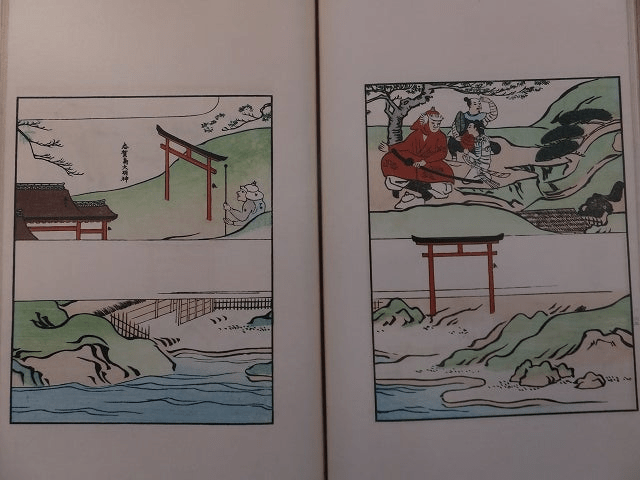
Mongol forces encamped at Kashima
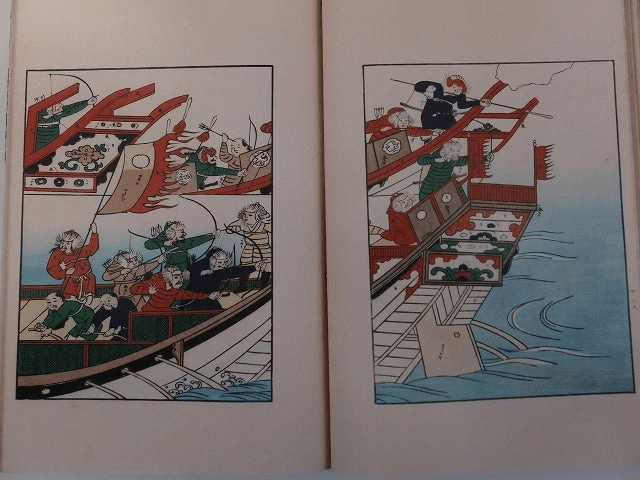
Mongol forces firing arrows at military vessels
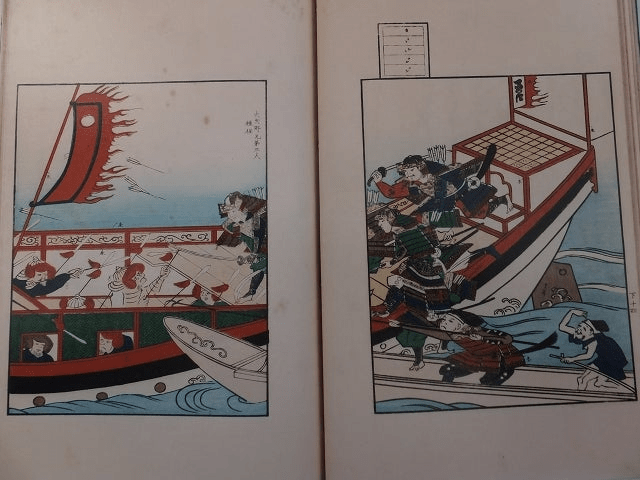
The three Ōyano brothers boarding a Mongol warship
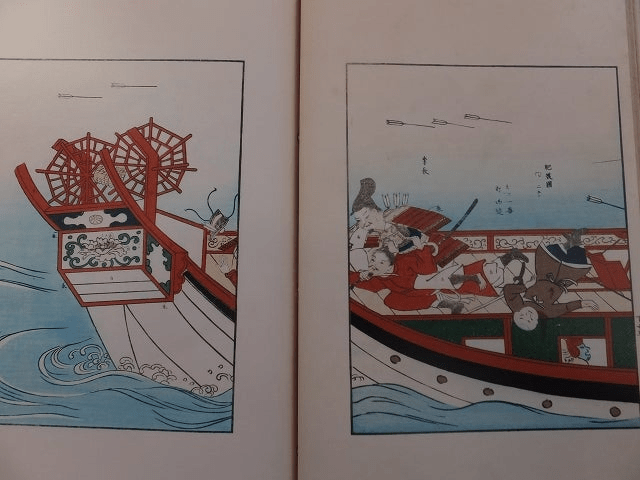
Suenaga taking the head of a Mongol commander
Although victory was achieved again over the Mongol forces in this battle, the gokenin (vassals) who fought received no rewards from the Kamakura shogunate. Under normal circumstances, the system of mutual obligation (go-on to hōkō) would grant land (issho-kenmei) as a reward. However, as the enemy was foreign, there was no land to distribute.
As a result, many gokenin were forced to divide their own holdings among their children and retainers. It would not be an exaggeration to say that this situation was a principal cause of the eventual downfall of the Kamakura shogunate.
Reference:
Iwase Bunko Library, Nishio City
August 7, 2019
Sumio Suzuki

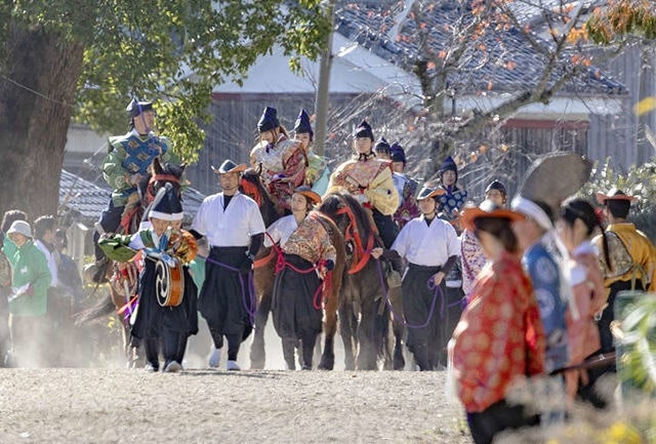



 Heheen