Sumio Suzuki
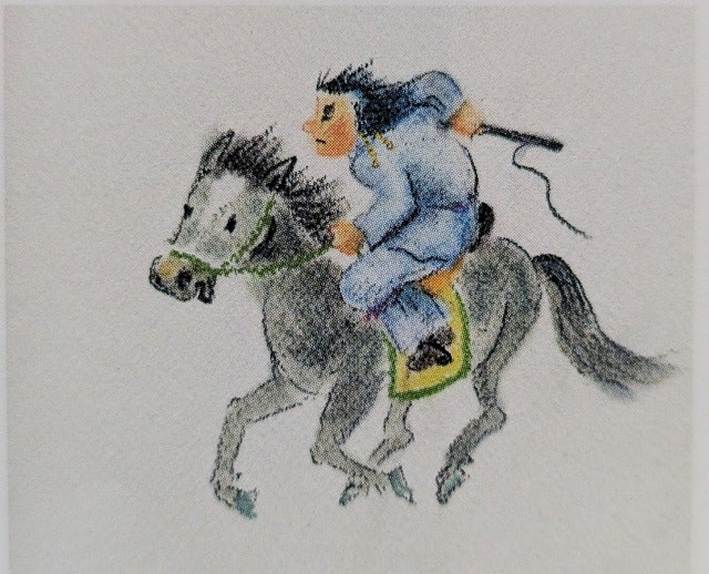
Special Exhibition Commemorating the 45th Anniversary of Municipal Incorporation and the 30th Anniversary of the Museum’s Opening. The Neighing of Horses and the Light of Kingship — Emperor Keitai and the Horse Breeders of Kawachi — From the exhibition catalogue of the Shijōnawate City Museum of History and Folklore
Preface
Recent research has shown that the Jōmon period began approximately 3,000 years earlier than previously thought, starting around 16,000 years ago. As a result, the beginning of wet-rice paddy cultivation in Japan during the Yayoi period, which had long been considered to coincide with the introduction of iron tools, is now understood to have occurred about 500 years earlier. By contrast, the dating of the appearance of iron implements remains unchanged, continuing to be placed in the early fourth century BCE.
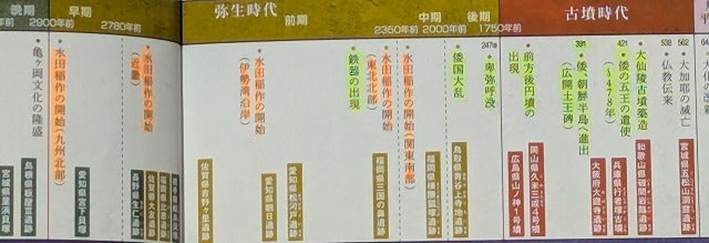
From the exhibition catalogue of the special exhibition Ancient DNA: The Journey of the Japanese People, National Museum of Nature and Science, Tokyo, held from Saturday, 15 March 2025 to Sunday, 15 June 2025)
In my earlier work, The Japanese Native Horse: Past, Present, and Future, in the section “1: The Origins of Horses in Japan,” I argued that horses were first introduced from the Korean Peninsula to Japan during the latter half of the fourth century to the fifth century of the Kofun period. According to this view, they traveled by semi-structured vessels via northern Kyushu before reaching Kawachi (present-day Shijōnawate City, Osaka Prefecture).

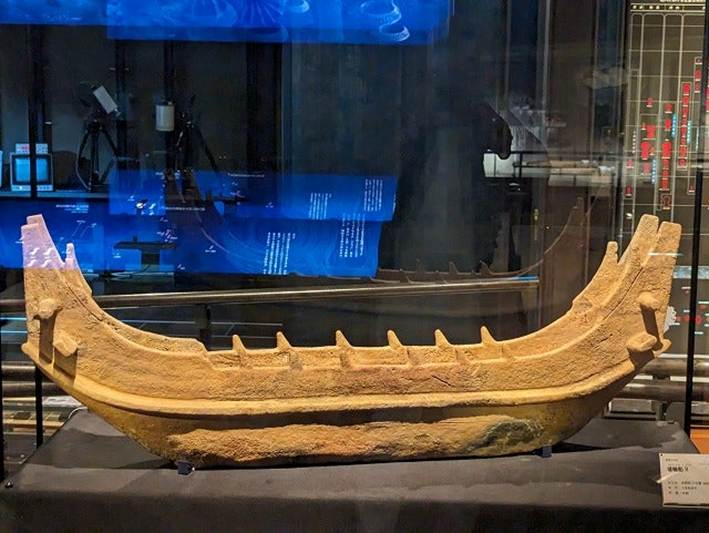
Haniwa of a Semi-Structured Vessel Displayed at the Miyazaki Prefectural Saitobaru Archaeological Museum. Photograph by the author
In the paper “What Is a Native Horse?” by Seiji Kondō, Professor Emeritus of Hokkaido University (published in Horses of Japan: Past, Present, and Future, 5 October 2021, University of Tokyo Press), it is noted that although a study published in 2016 claimed that horse teeth had been excavated from third-century sites, this assertion was subsequently refuted through meticulous investigation and interviews (Suzuki, 2019). I consider it a personal honour that my evaluation was cited in this context.
That said, certain articles and records were insufficiently addressed in my earlier work. Moreover, new findings from DNA analysis, archaeology, and newspaper reports have since emerged. While no horse-related artefacts have been identified at fourth-century kofun or archaeological sites, discoveries related to horses begin to increase rapidly from the latter half of the fourth century onward. In order to understand why this shift occurred, I will undertake a new, detailed examination of the theory of the eastward transmission of horses in Japan, presented as a series.
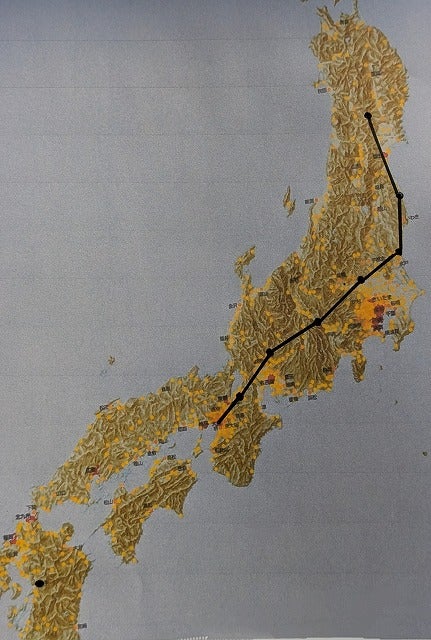
Author’s Hypothetical Reconstruction (Kawachi to present-day Ōshū City, Iwate Prefecture)
1: The Presence of Complete Horse Skeletons at Archaeological Sites, Including the Tobiya-kita Site in Shijōnawate City, Osaka Prefecture (5th Century)
(1) Complete Horse Skeleton from the Tobiya-kita Site, Shijōnawate City, Osaka Prefecture
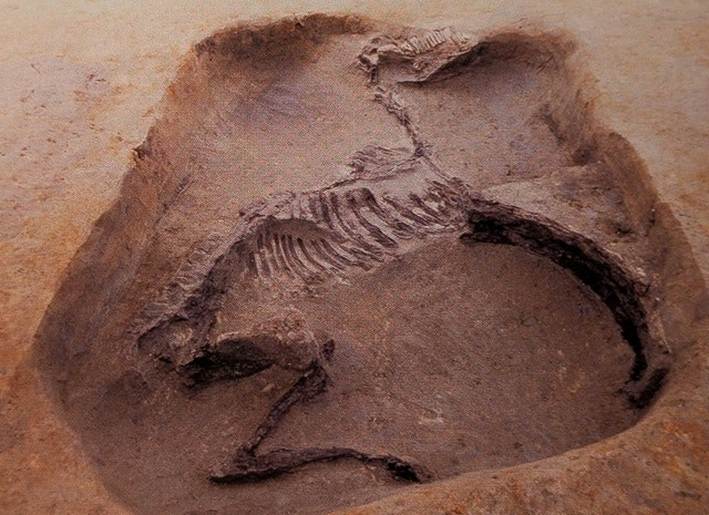
Withers height: approximately 127 cm
Age: 5–6 years
Sex: undetermined
From the 24th Special Exhibition (Fiscal Year 2009) Horses Traveled by Boat — From the Horse-Breeding Settlement of the Tobiya-kita Site
Exhibition catalogue, Shijōnawate City Museum of History and Folklore, 2009
(2) Kusaka Site, Higashiōsaka City, Osaka Prefecture
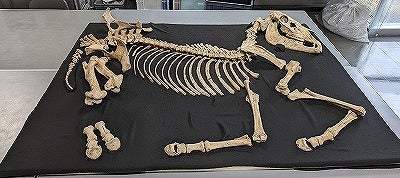
An archaeological site spanning the Jōmon period through the Kofun period. Excavated from a soil layer approximately 1 metre thick containing Jōmon pottery, Haji ware, Sue ware, and related materials.
Withers height: 125–127 cm
Age: approximately 12 years
Sex: male
Cultural Properties Protection Division, Board of Education, Osaka Prefecture
Photograph by the author
(3) Kamishirochō Site, Kumamoto City, Kumamoto Prefecture
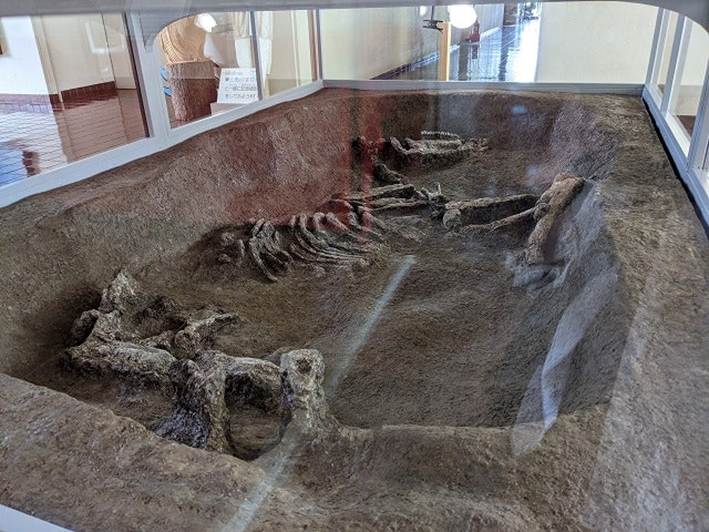
Withers height: approximately 125 cm
Age: around 12 years
Sex: male
Kumamoto City Archaeological Museum
Photograph by the author
(4) Miyagaito Site, Iida City, Nagano Prefecture
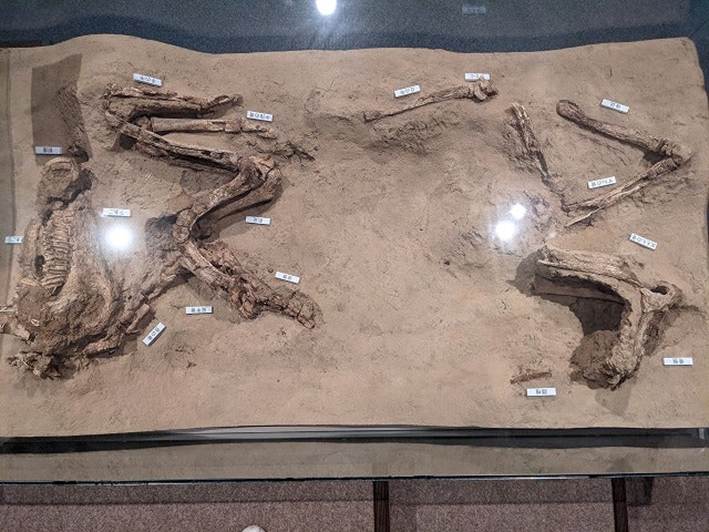
Withers height: unknown
Age: unknown
Sex: female
Iida City Kamisato Archaeological Museum. Photograph by the author
2: Paper titled “The Genetic Background of Native Horses.”
By Teruaki Tosaki
5 October 2021
University of Tokyo Press (General Incorporated Association)
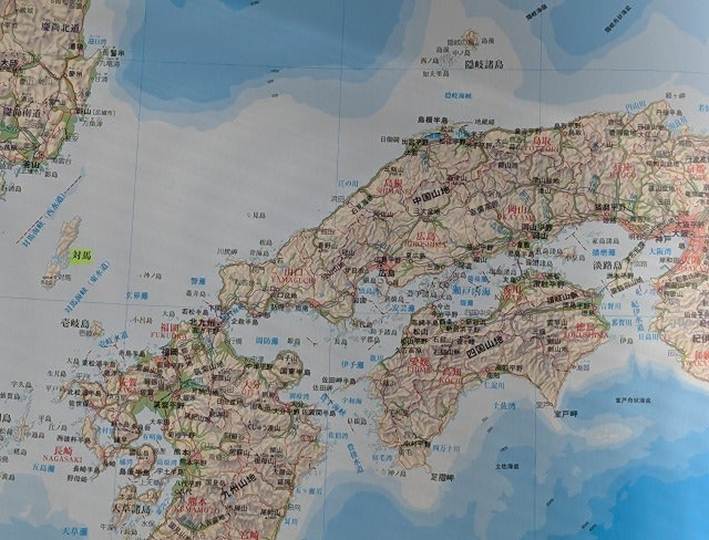
Based on DNA analysis, horses were introduced from the Korean Peninsula via Tsushima and northern Kyushu before reaching Kawachi.
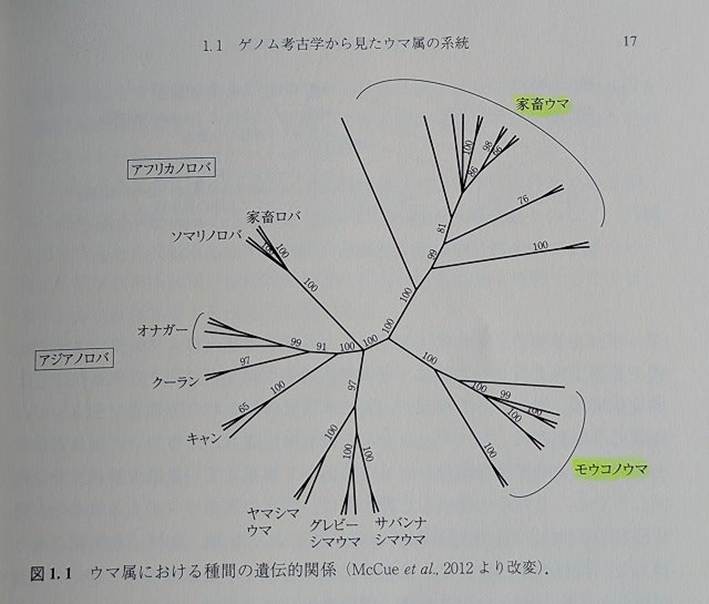
Genetic Relationships among Species within the Genus Equus
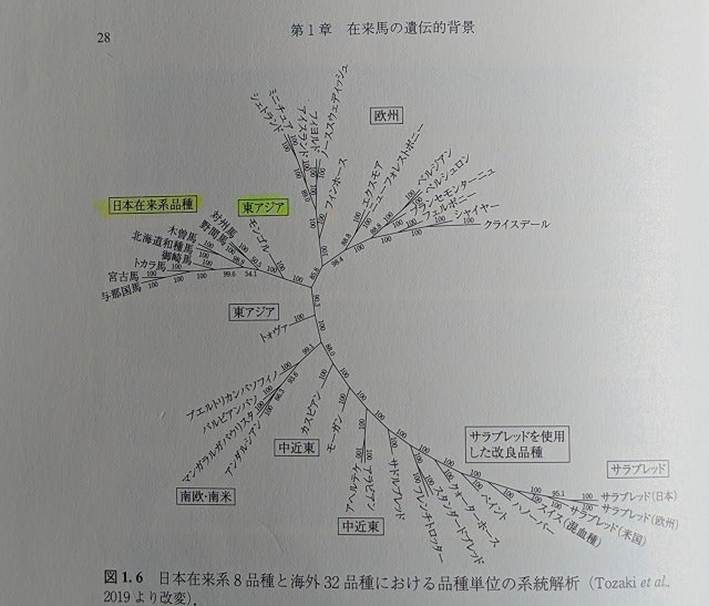
Breed-level phylogenetic analysis of eight Japanese native horse breeds and thirty-two overseas breeds
Chromosome number of the Mongolian horse: 66
Chromosome number of Japanese native horses: 64
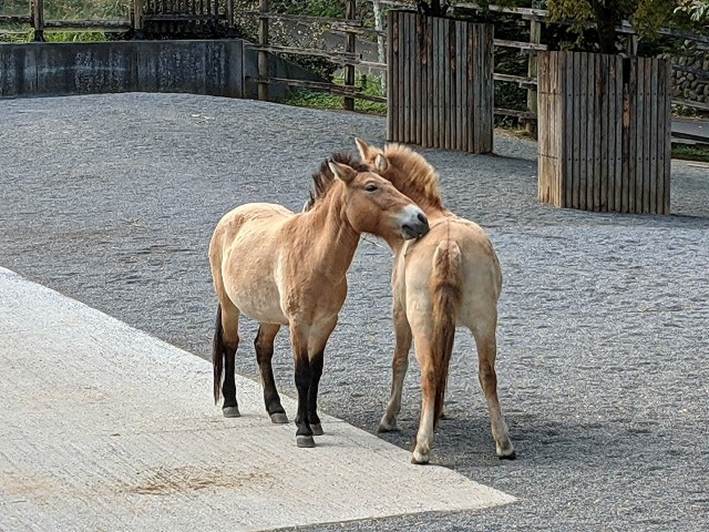
Mongolian Horse. Tama Zoological Park. Photograph by the author
A: Hokkaido Native Horse (Hokkaido Washu)
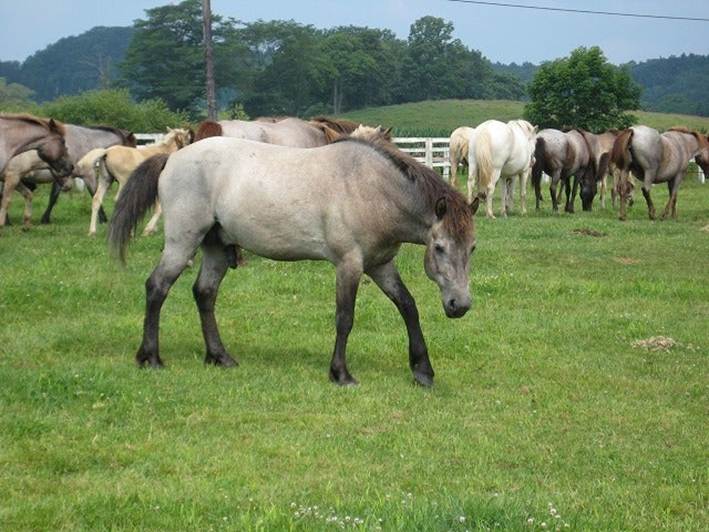
Hokkaido University Shizunai Experimental Farm. Photograph by the author
B: Kiso Horse
As inbreeding has progressed among present-day Kiso horses, the specimen “Daisan Haruyama-go” from the Kaida Highlands Local History Museum is presented here instead.
Daisan Haruyama-go was born to Shimmei-go (age 12), acquired on 8 April 1951 from Take-mizuwake Shrine in Kōshoku City, Nagano Prefecture, as the sire, and Kashiyama-go (age 21), a purebred Kiso lineage horse, as the dam. The horse was bay in colour.
By the summer of 1953, Daisan Haruyama-go was recognised for both the quality of its lineage and its excellent physical conformation (withers height: 132 cm) and was considered a candidate for use as a breeding stallion. Until around December 1974, the horse had never suffered from illness. However, it subsequently fell ill and became weakened due to physical exhaustion, entering a temporary critical condition.
On 14 January 1975, at the age of 25, Daisan Haruyama-go left Kaida Village, the homeland of the Kiso horse, dragging its heavy steps as it departed, accompanied by many villagers who came to see it off.
On 8 April 1980, the horse was returned to Kaida Village as a taxidermied specimen and is now exhibited at the local history museum.
(From Together with the Kiso Horse, by Masaki Itō, Kaida Village Kiso Horse Preservation Society, 10 June 2000)
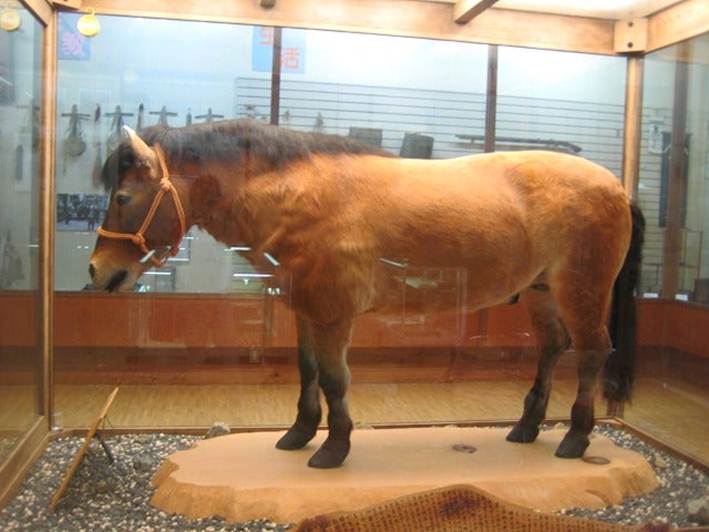
Kaida Highlands Local History Museum. Photograph by the author
C: Noma Horse
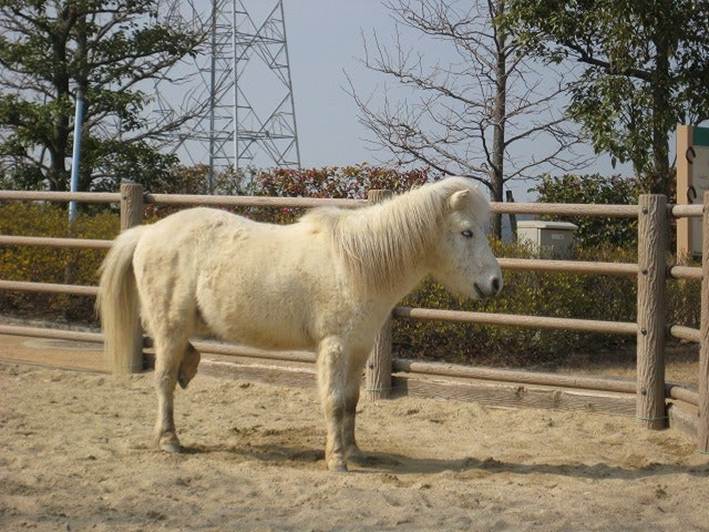
Noma Horse Highland, Imabari City, Ehime Prefecture. Photograph by the author
D: Tsushima Horse (Taishū Horse)
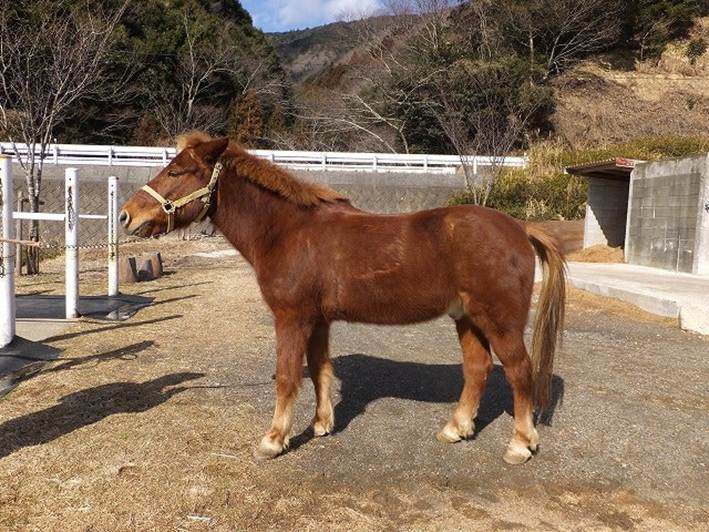
Mebo Rodeo Horse Park, Tsushima City, Nagasaki Prefecture. Photograph by the author
E: Misaki Horse
During the Edo period, this area was designated as a grazing ground by the Akizuki family of the Takanabe Domain. At that time, only horses of bay, black, and blue roan colouring were recognised as Misaki horses.
However, during a visit on 2 October 2022, I was informed that it has since been decided that all horses born at Cape Toi are to be designated as Misaki horses, regardless of coat colour. Any horse born there is not classified as surplus or discarded, irrespective of its colouring.

Because of its chestnut coat, the horse was described as a surplus horse when I visited for an interview on 30 July 2011.

Cape Toi, Kushima City, Miyazaki Prefecture. Photograph by the author
F: Tokara Horse
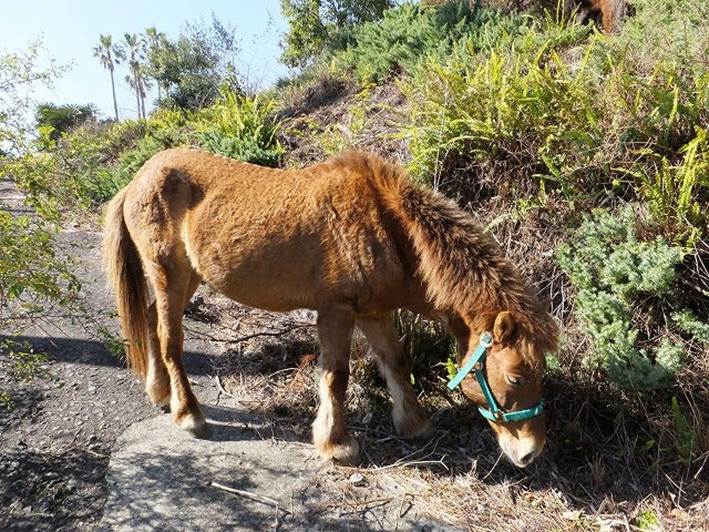
Kaimon Sanroku Nature Park, Ibusuki City, Kagoshima Prefecture. Photograph by the author
G: Miyako Horse
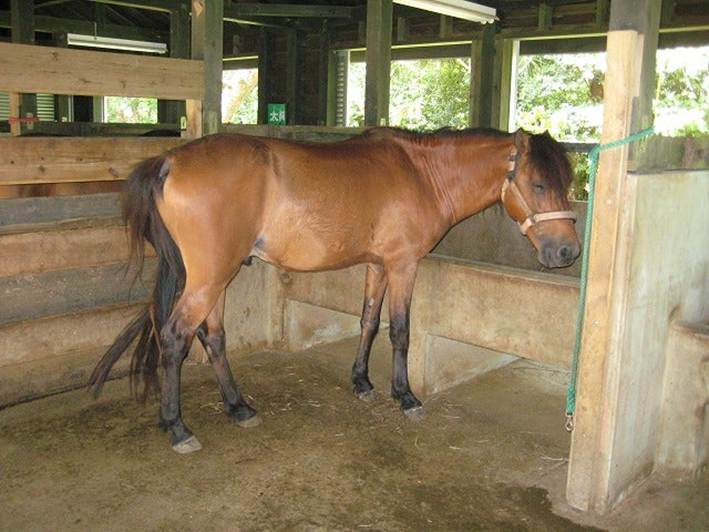
Nikatori Ranch, Miyako City, Okinawa Prefecture. Photograph by the author
H: Yonaguni Horse
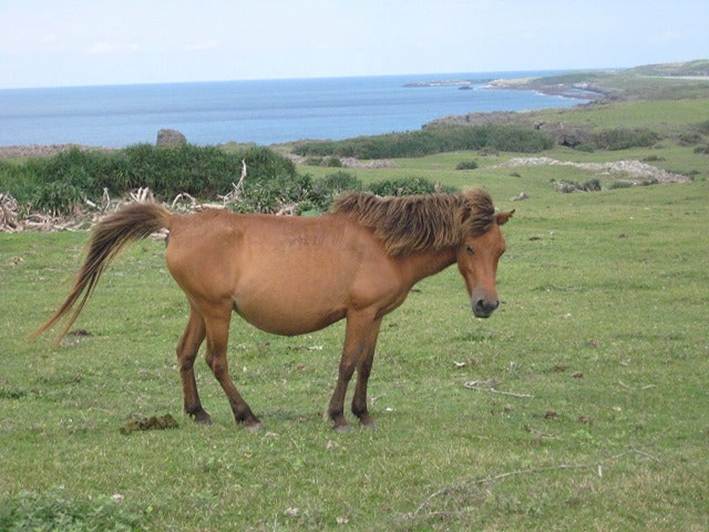
Yonaguni Island, Okinawa Prefecture. Kita Ranch. Photograph by the author
3: Iron knife excavated from the Nintoku Emperor’s Mausoleum
(from the morning edition of the Chunichi Shimbun, 20 June 2025)
On 19 June, Sakai City, Kokugakuin University, and other institutions announced that an iron knife housed in a gilt-bronze sheath, known as a kondō-sōtōshi, along with fragments of armour, had been identified as grave goods from the Daisen Kofun (Sakai City, 5th century). The tomb is managed by the Imperial Household Agency as the “Nintoku Mausoleum” and is the largest keyhole-shaped burial mound in Japan. These items represent the only grave goods from the Daisen Kofun that have been confirmed as actual artefacts. The findings emerged from a joint research project conducted using newly discovered materials obtained by Kokugakuin University.
The knife was found broken into two pieces, with a combined length of approximately 10.5 centimetres. As the handle portion is missing, the original length is estimated to have been around 15 centimetres.
References
Shijōnawate City Museum of History and Folklore
The Neighing of Horses and the Light of Kingship
Horses Traveled by Boat
National Museum of Nature and Science, Tokyo
Special Exhibition: Ancient DNA — The Journey of the Japanese People
15 March 2025 to 15 June 2025
“What Is a Native Horse” by Seiji Kondō
5 October 2021
University of Tokyo Press
“The Genetic Background of Native Horses” by Teruaki Tosaki
5 October 2021
University of Tokyo Press
Together with the Kiso Horse by Masaki Itō
Kaida Village Kiso Horse Preservation Society
10 June 2000
Chunichi Shimbun, morning edition
20 June 2025
Author’s work: The Japanese Native Horse — Past, Present, and Future
March 2019
This will be the final instalment for this year.
I sincerely wish everyone a healthy and fulfilling year ahead.
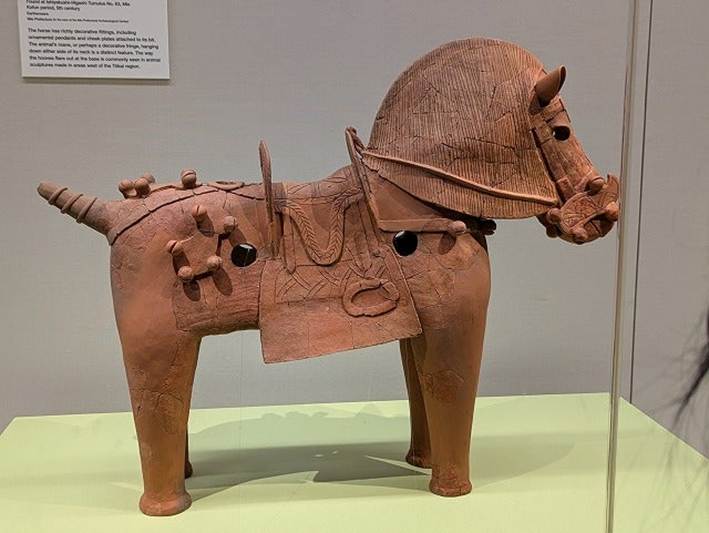
Ishiyakushi East Kofun Group, Suzuka City, Mie Prefecture
Horse-shaped Haniwa. Special Exhibition “Haniwa,” Tokyo National Museum. Photograph by the author
December 15, 2025
Sumio Suzuki
 Heheen