Sumio Suzuki


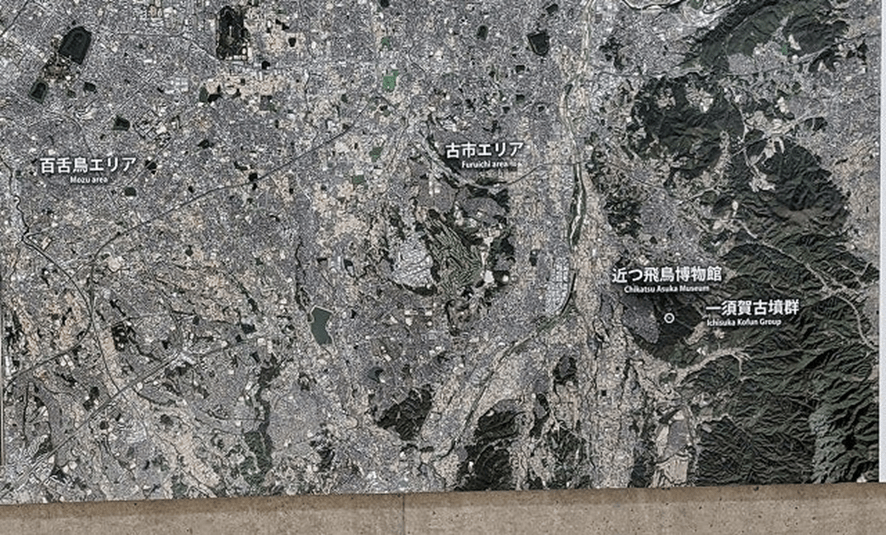
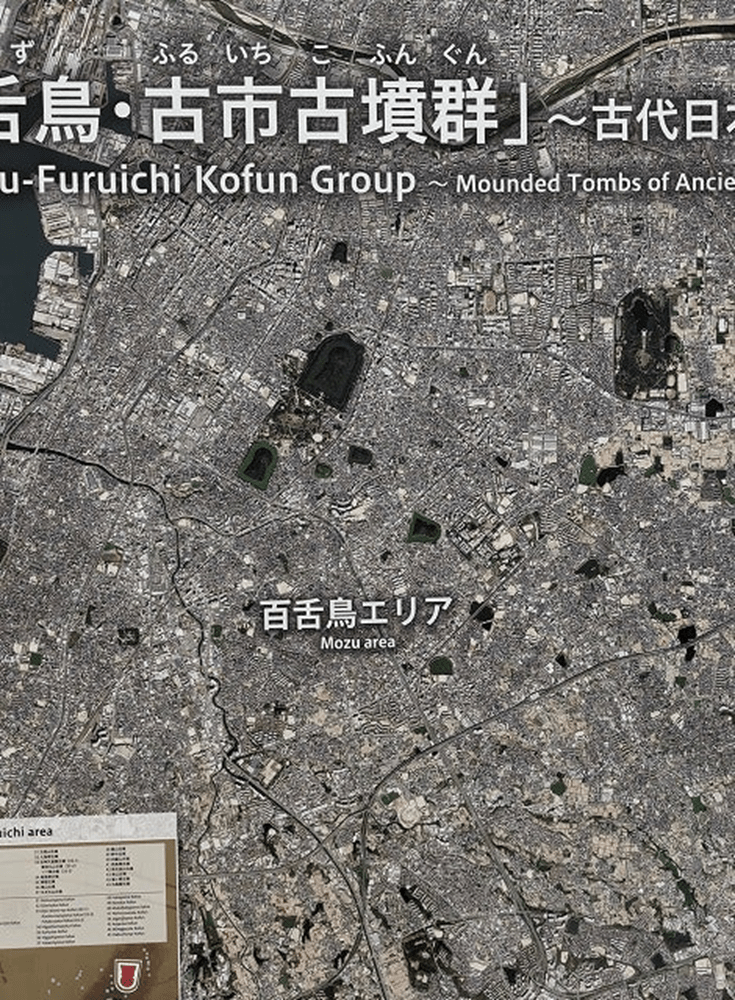
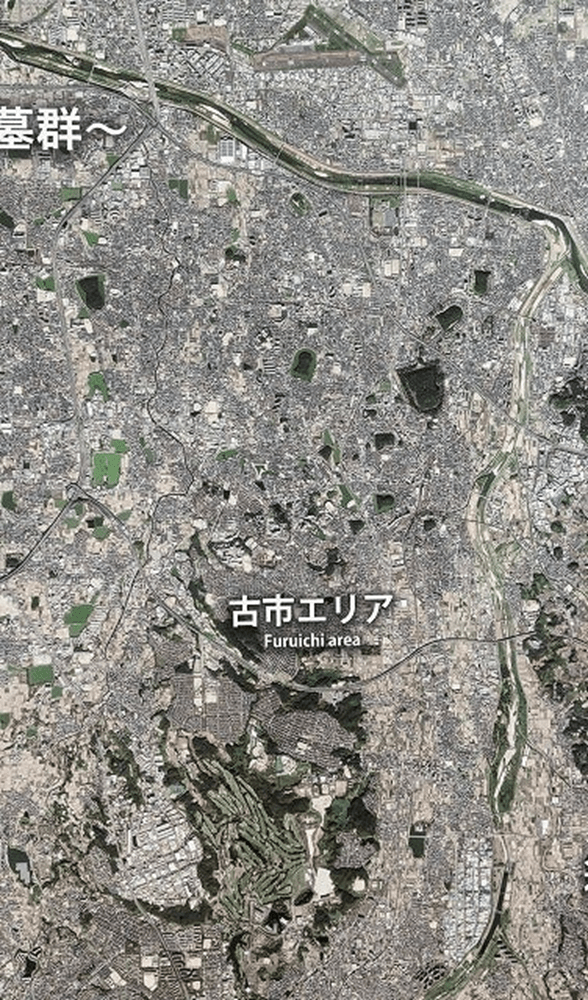
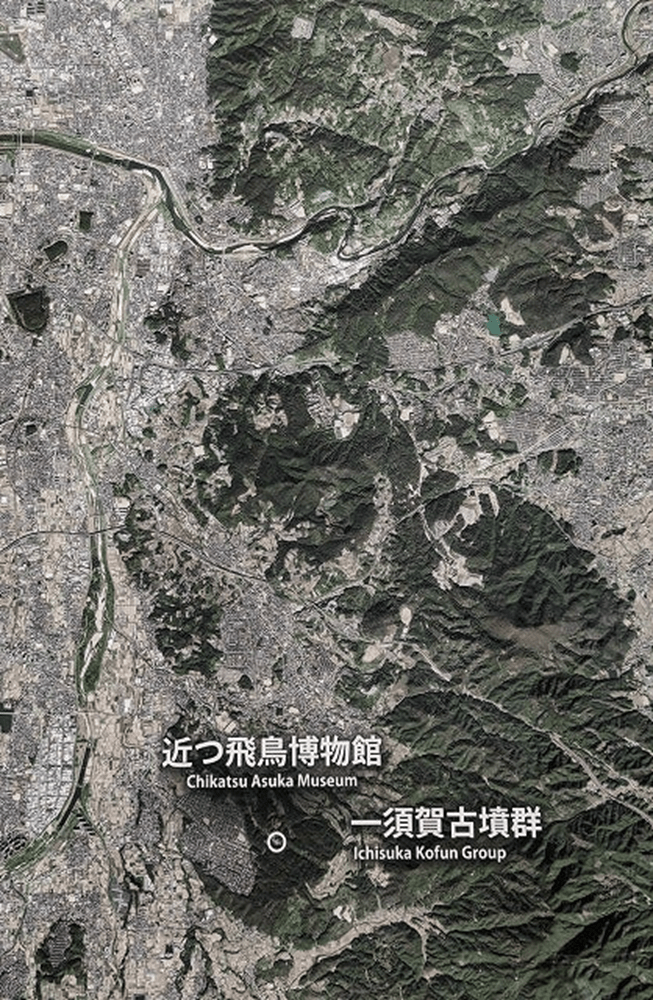

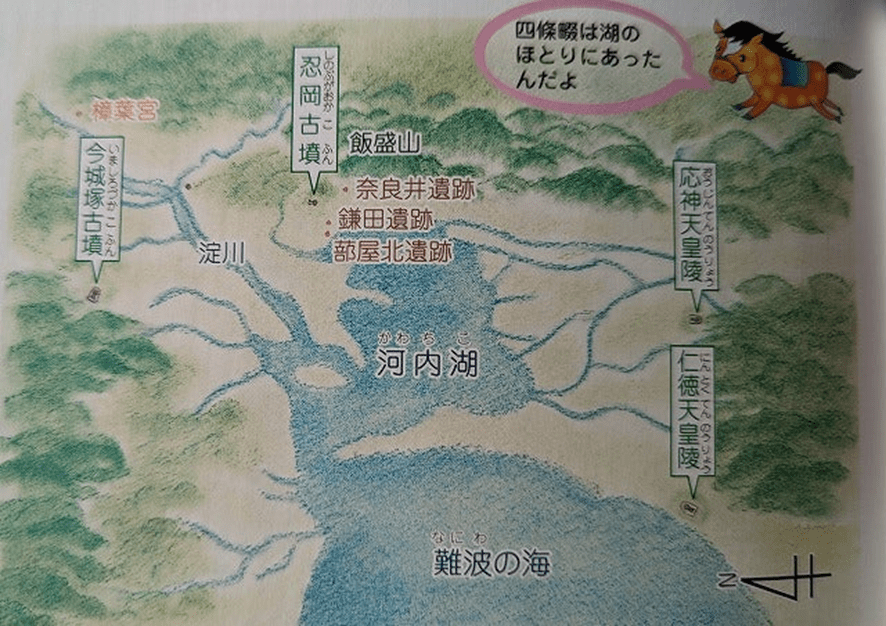
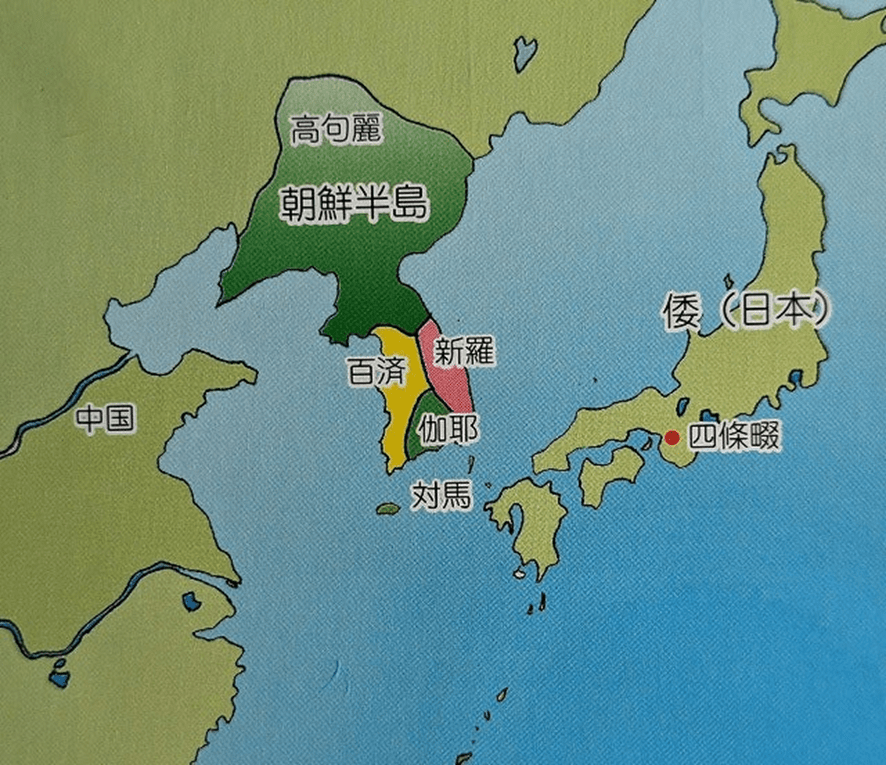
On July 6, 2019, the Mozu–Furuichi Kofun Group was designated as a UNESCO World Heritage Site. This occurred four months after the publication of my book, Japanese Native Horses: Past, Present, and Future. Taking this opportunity, I defined my research theme as “Viewing East Asia and the Wa State through Horses since the Third Century.” Since then, I have conducted on-site research, attended special exhibitions, and collected exhibition catalogues.
Here, I would like to introduce one aspect of that work.
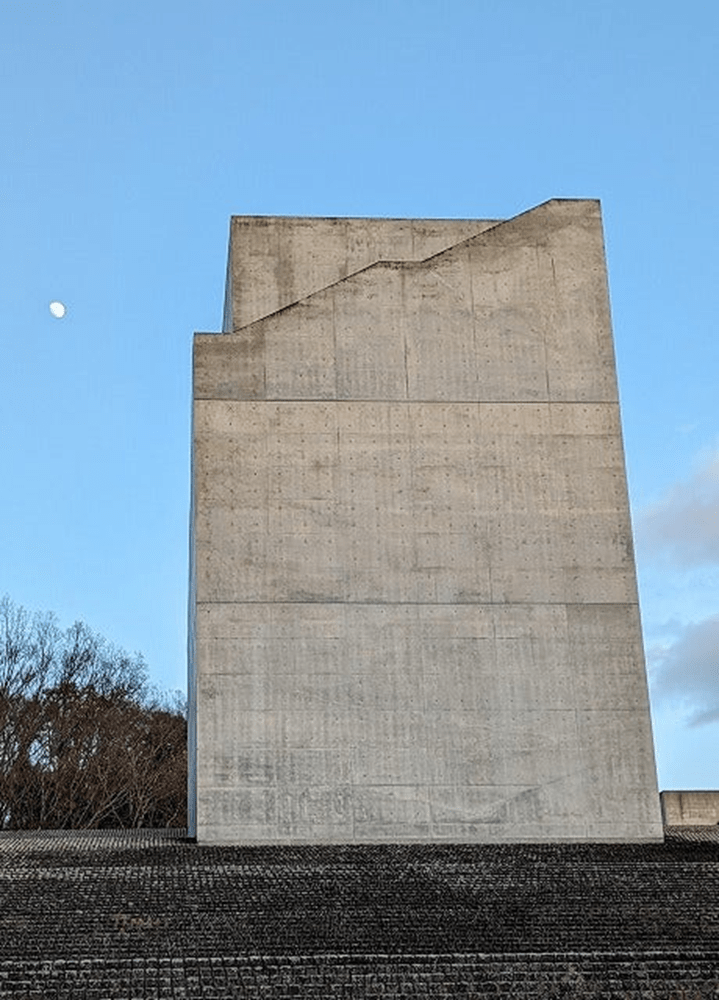
Since October 2010, I have received generous support from Mr. Minoru Nojima, Director of the Shijōnawate City Museum of History and Folklore. I previously conducted an interview at the Osaka Prefectural Chikatsu Asuka Museum in June 2012. As the exhibition content has since become considerably richer, I present a selection of exhibits here anew.
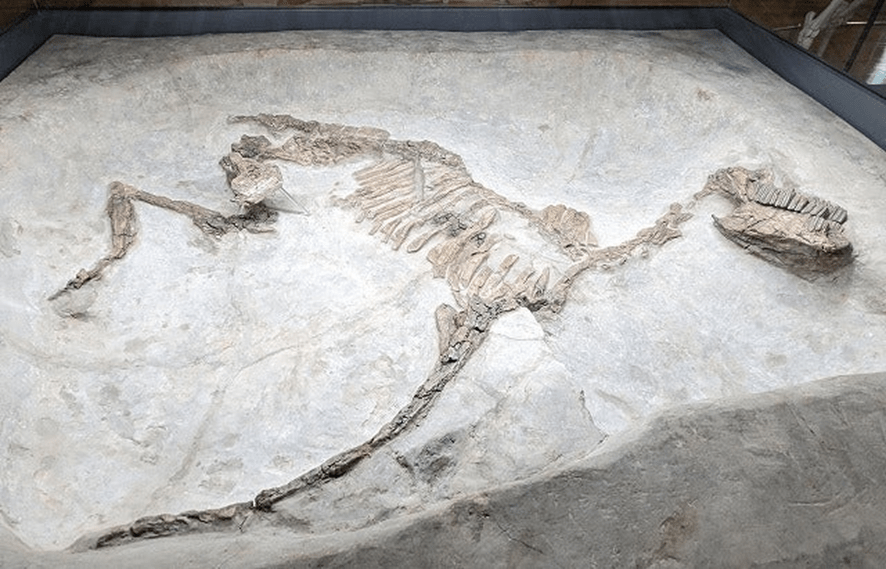
Complete Horse Skeleton Excavated from the Shitomiya-Kita Site
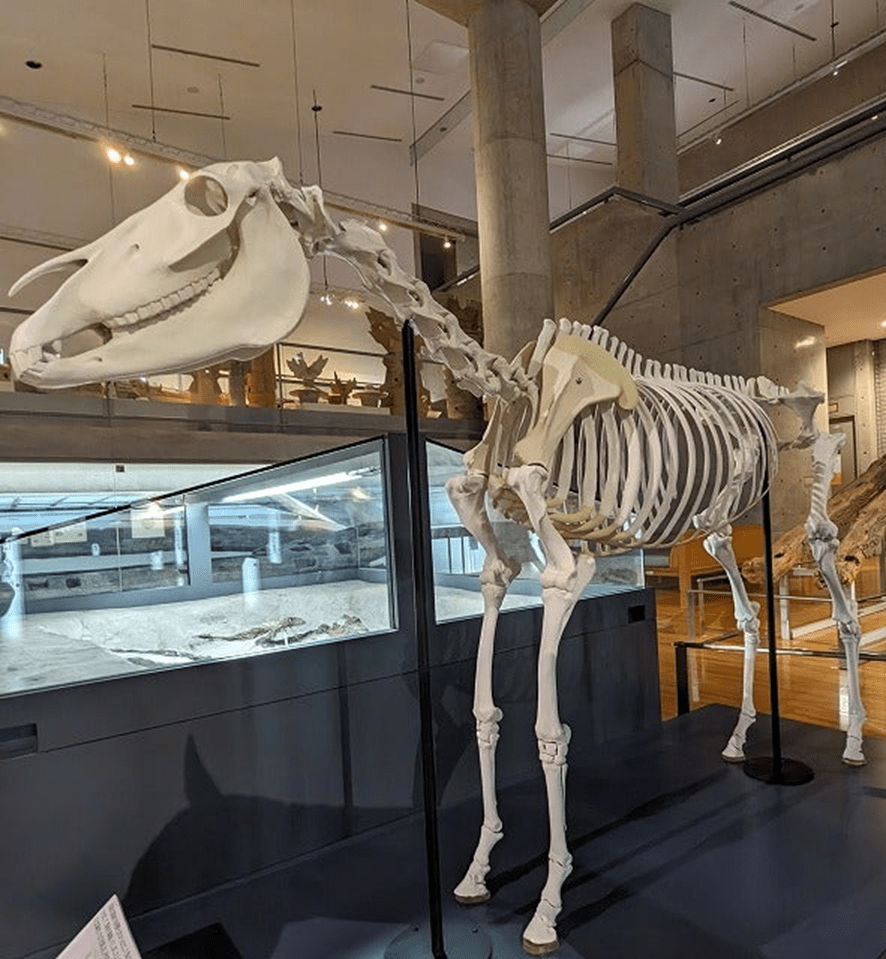
Skeleton: Haruma
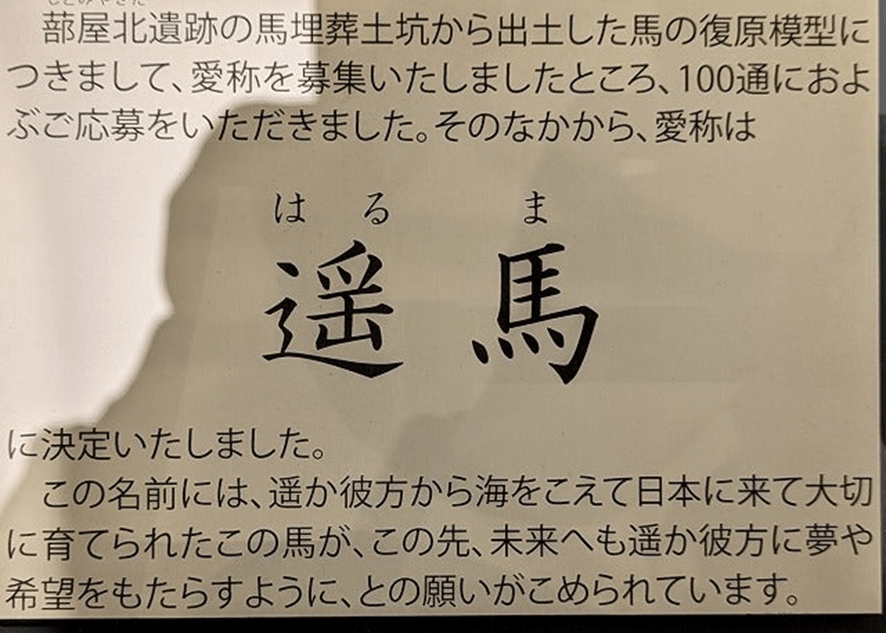
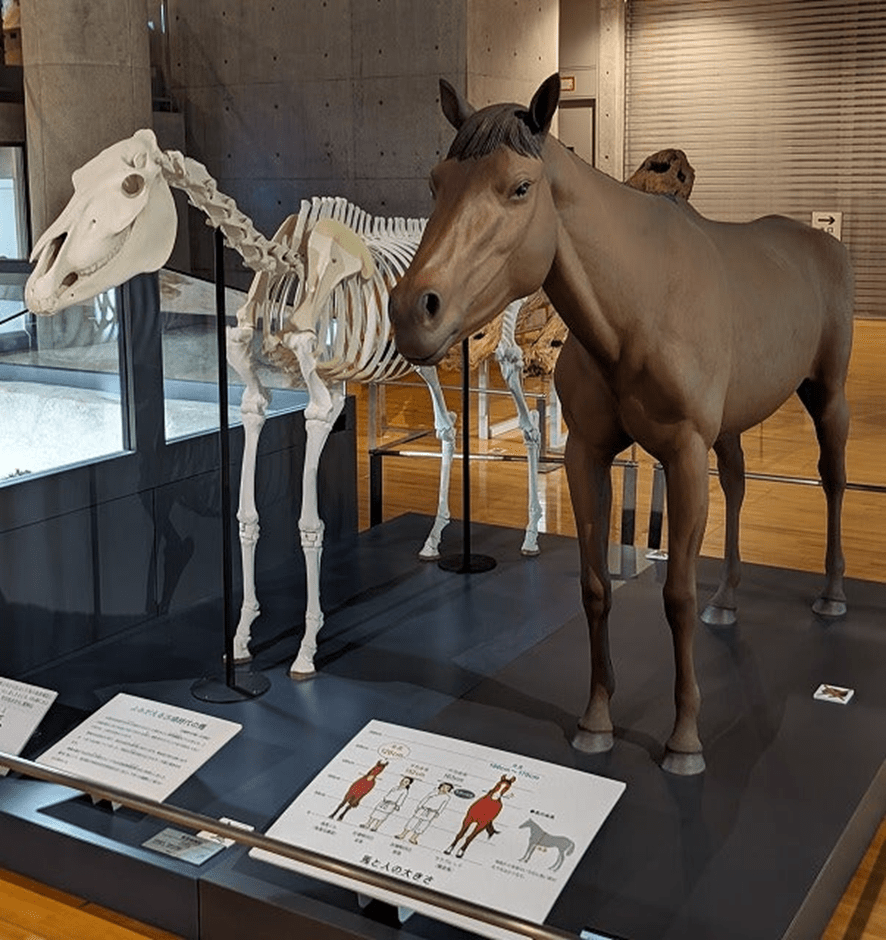
Reconstruction


Depicting a pastoral scene in Shijōnawate during the fifth century
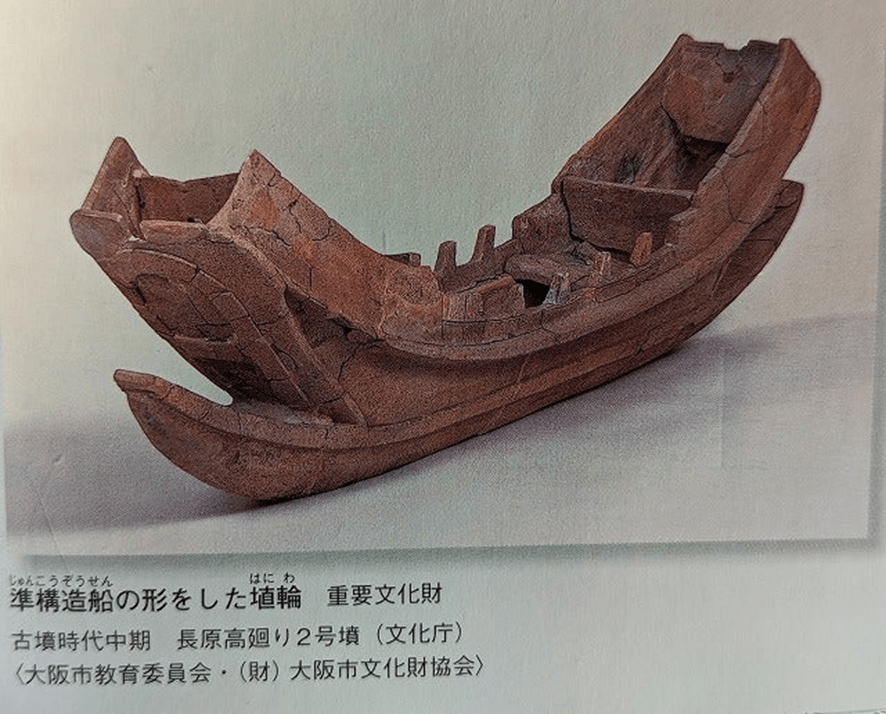
Semi-Structured Boat Haniwa
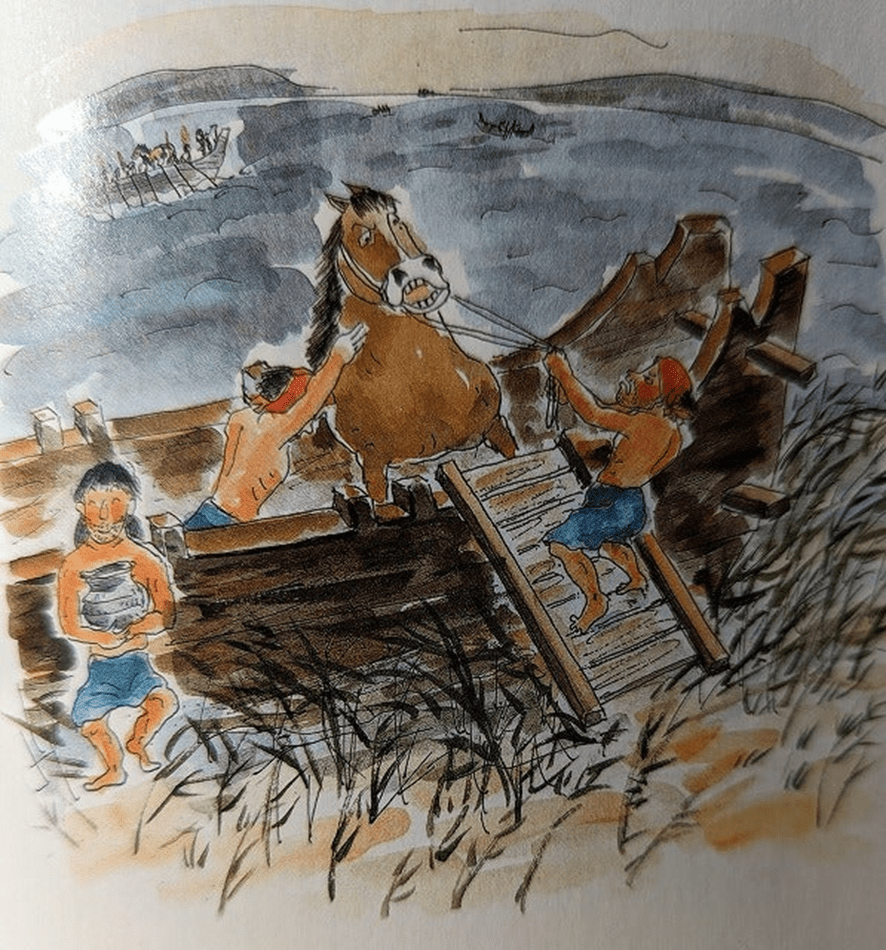
Depiction of unloading horses from a semi-structured boat
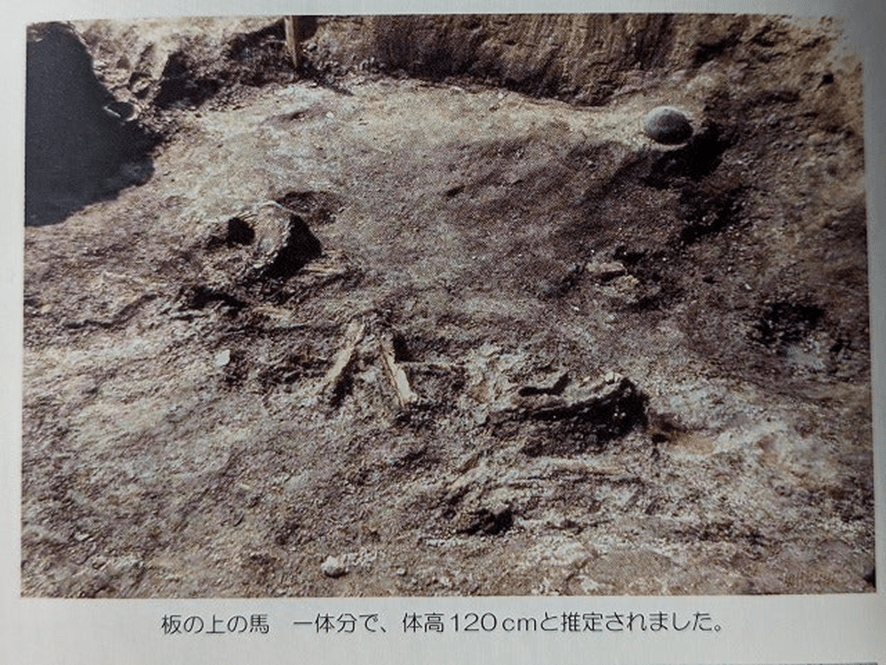
Narai Site

The oldest known bezoar (gastric calculus) in Japan, excavated from the Narai Site.
Prompted by the exhibition “Bezoars” by Charlotte Dumas, held at Maison Hermès Le Forum in Ginza in 2020 with support from the Hermès Foundation, it was revealed that a spherical stone artifact excavated in 1979 beside a horse burial at the Narai Site was in fact a bezoar from a Kofun-period horse.
The formation of nutrient-rich bezoars in horses from the Narai Site suggests that immigrants to the Sarara (Shijōnawate area) pasture may have fed horses grains such as barley. Even today, Japanese native horses intended for riding are often supplemented with rice bran in addition to standard feed. Considering this, it is reasonable to assume that horses were fed grains in addition to pasture grass in ancient times to strengthen them for riding.
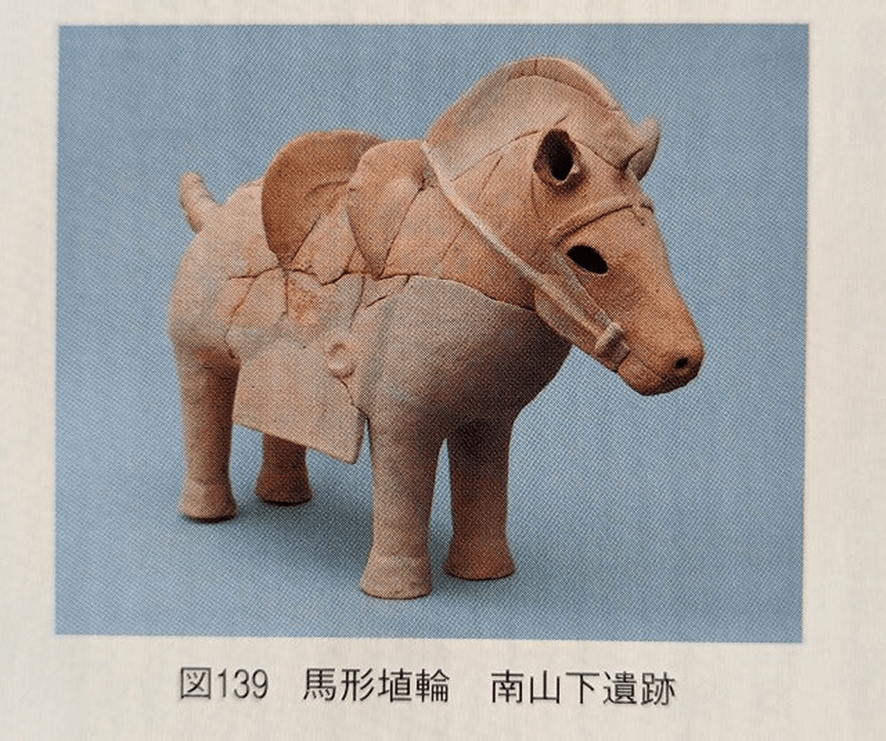
Horse-Equipped Haniwa
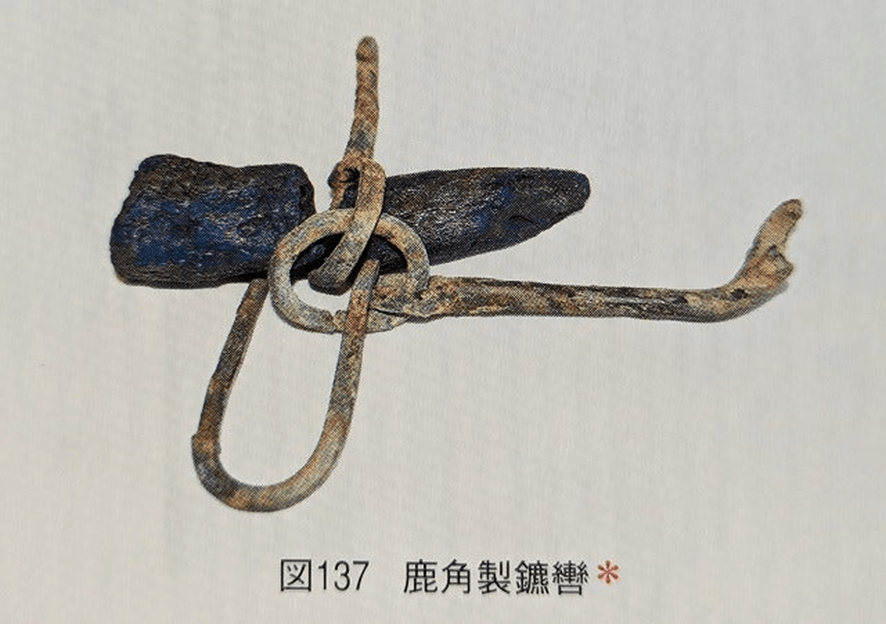
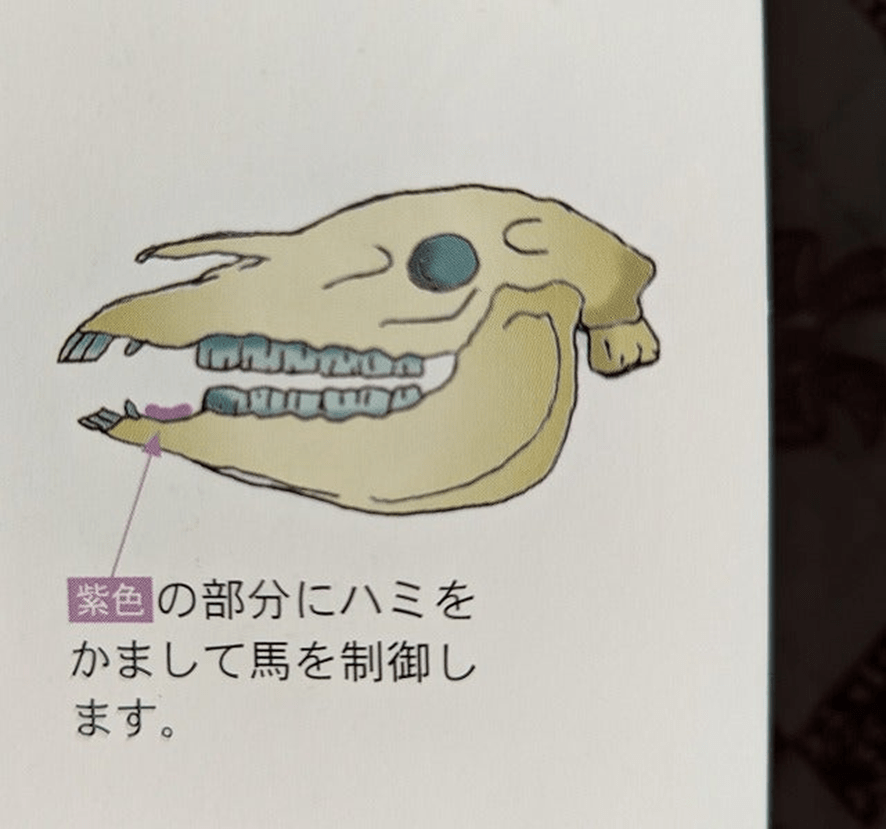
Bit
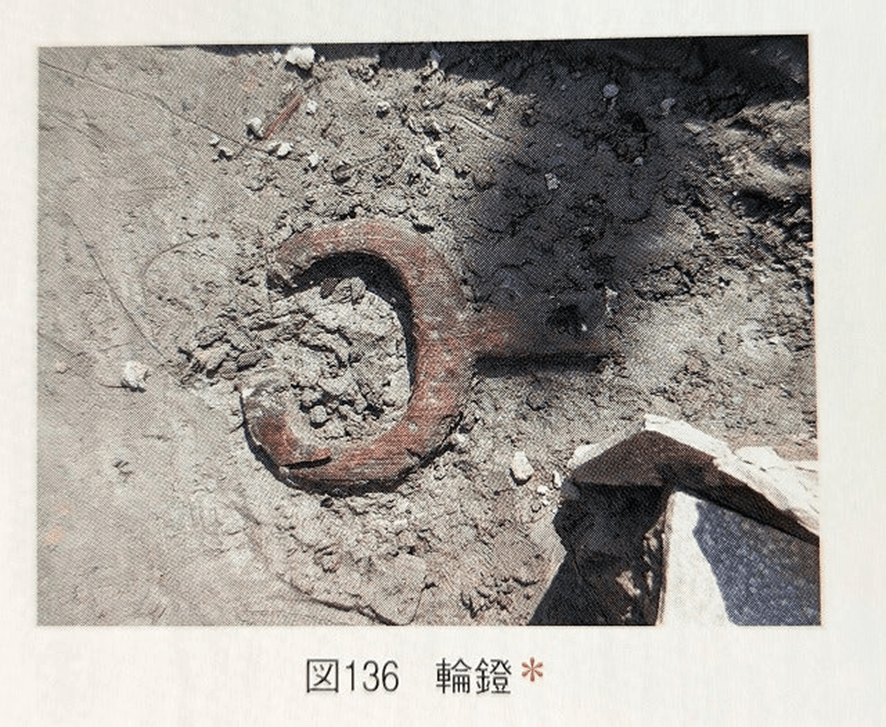
Stirrup
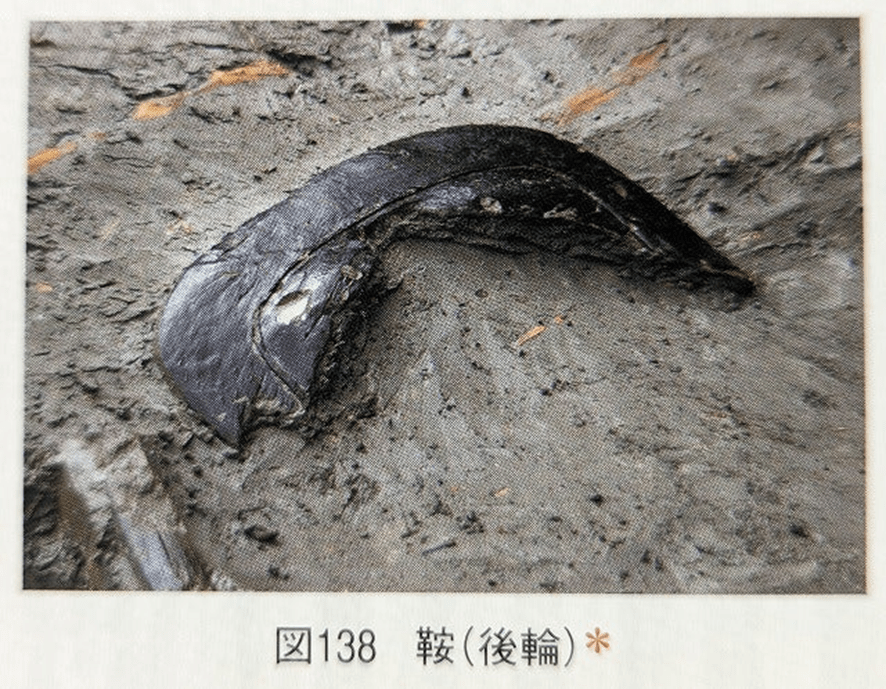
Saddle (rear cantle)
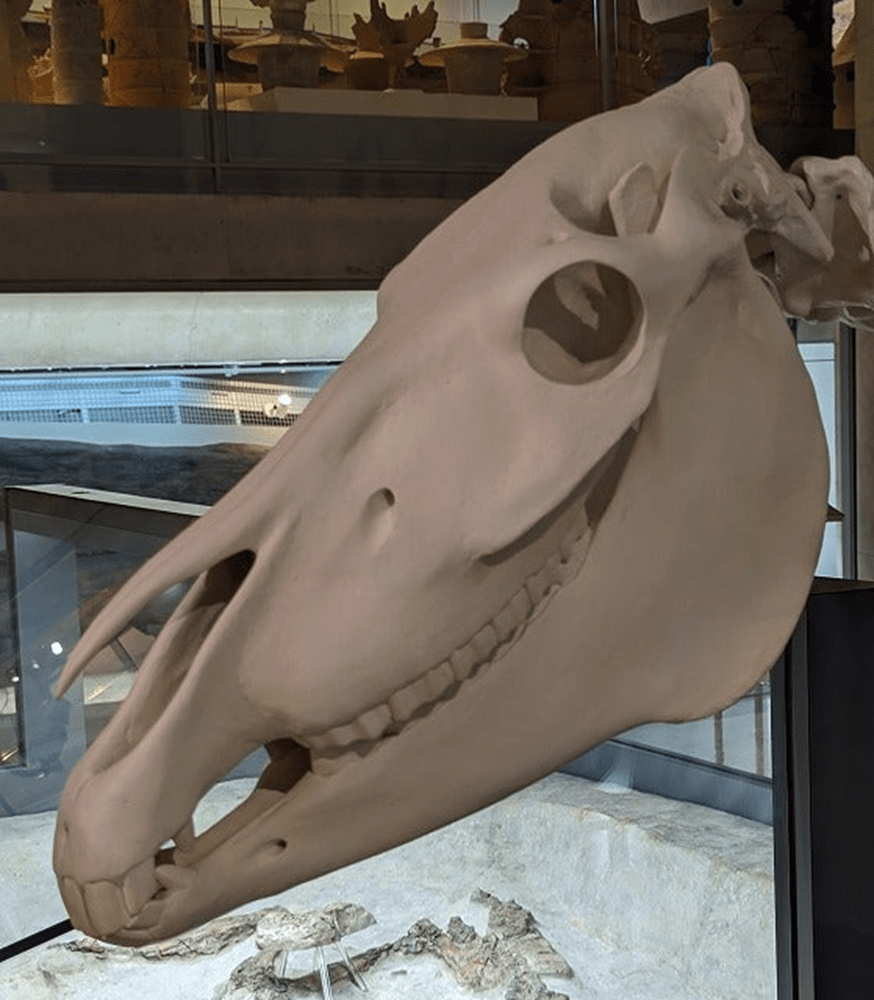
Jawbone
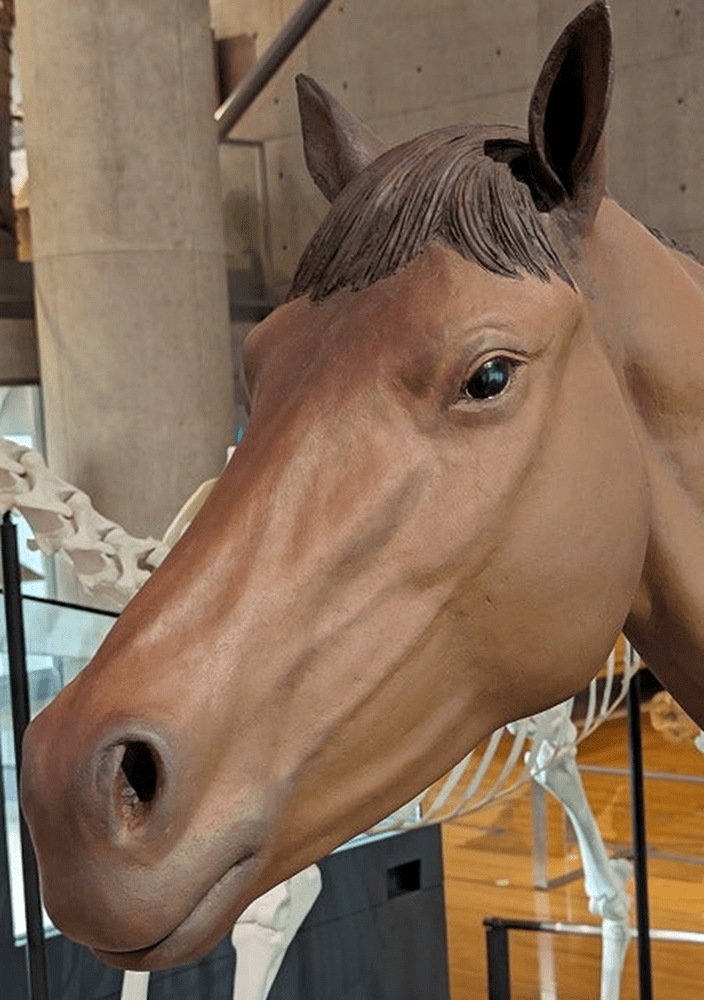
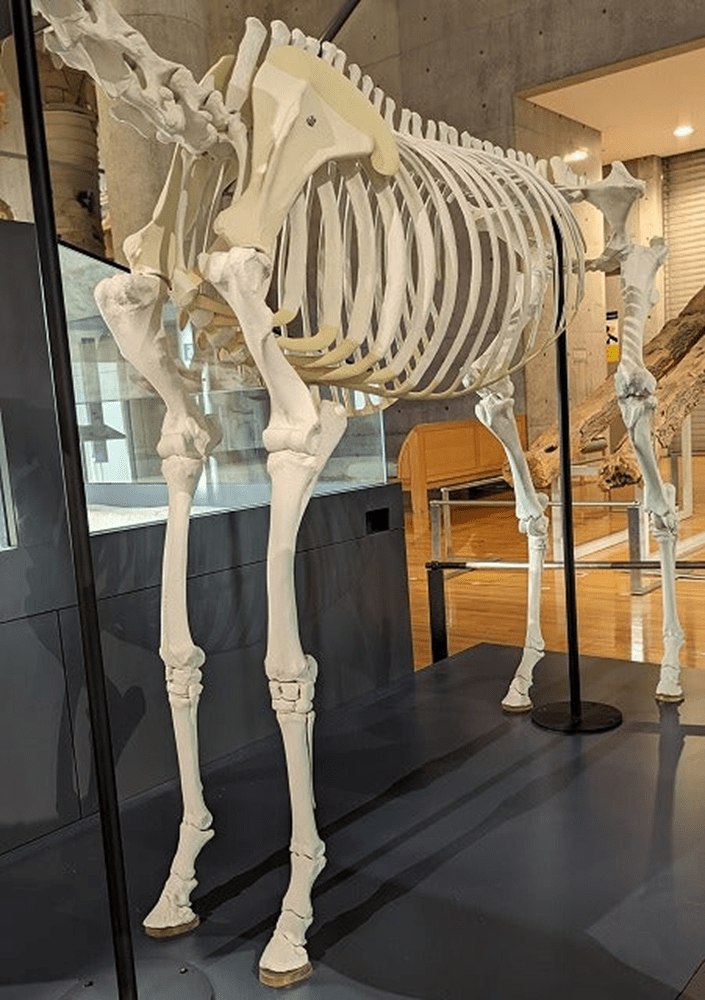
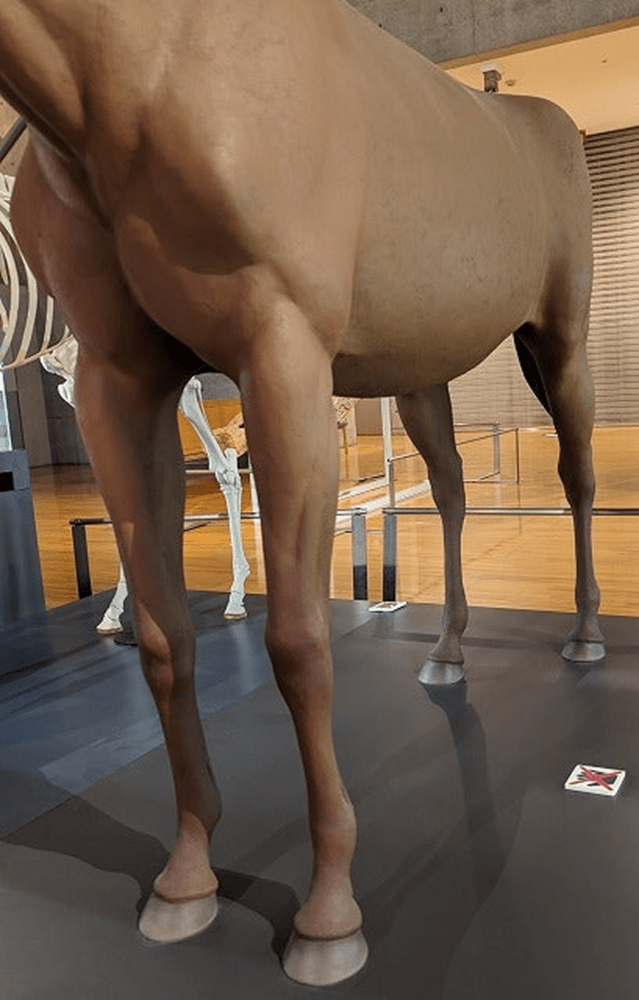
Withers height: approximately 125 centimeters (measured from the tibia to the ground)

When considering the Sarara pasture, it may be said that this was not merely a grazing ground but a training pasture where horses gathered from various regions were prepared for delivery to the Yamato polity.
(For reference, Cape Toi, home to the Misaki horses, covers approximately 550 hectares and supports around 100 horses. It is the only location in Japan where horses form 15–20 harems and are kept under year-round free grazing.)
The catalogue of the special exhibition Kana, held at the Kyushu National Museum from January 24 to March 19, 2023, includes a column titled “Pastures on the Western Foothills of Mount Ikoma,” which states that the horse excavated from the Shitomiya-Kita Site was medium-sized and descended from Mongolian horses. However, this is incorrect, as Mongolian horses have 66 chromosomes, whereas Japanese native horses have 64.

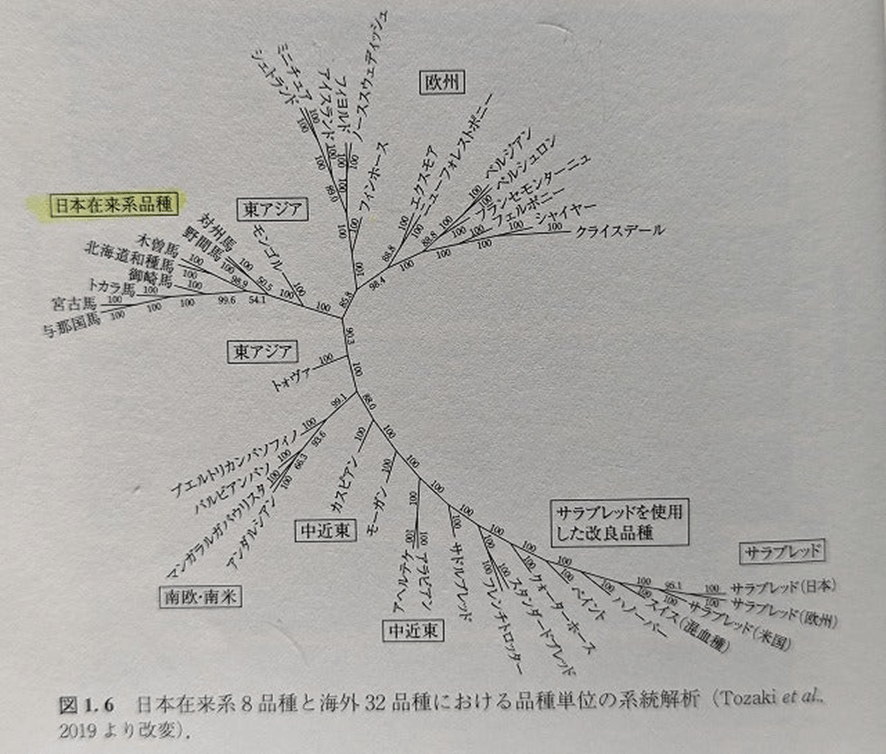
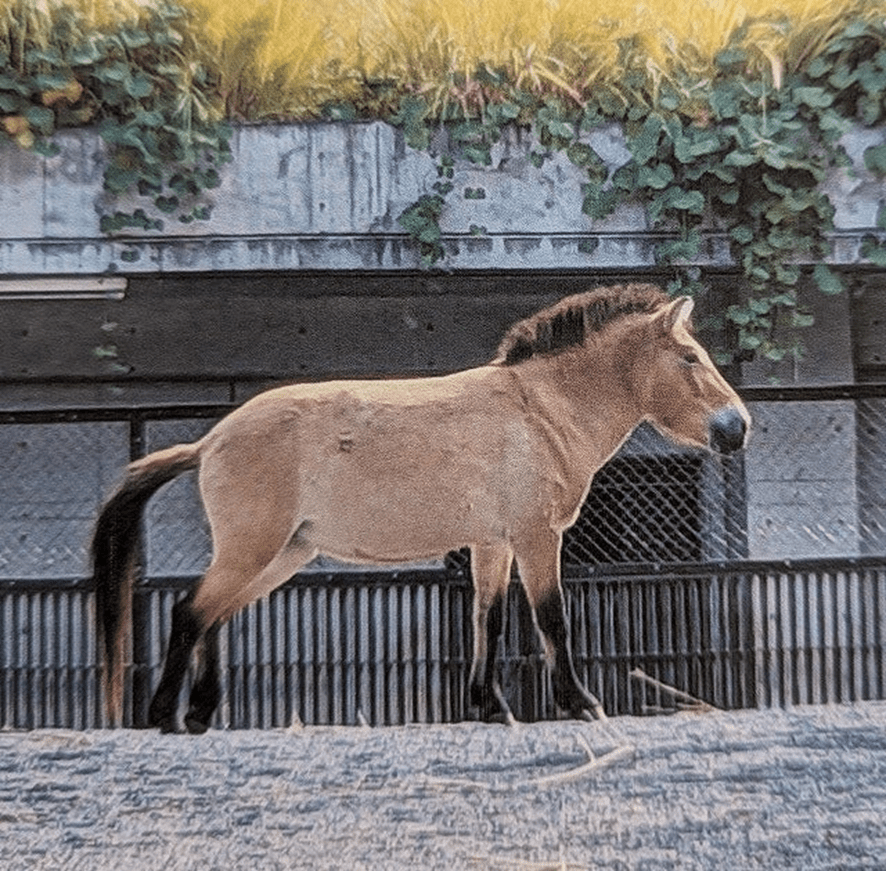
Mongolian Horse

Misaki Horse
Field Research Conducted At:
Shijōnawate City Museum of History and Folklore
Osaka Prefectural Chikatsu Asuka Museum
Tama Zoological Park, Tokyo
References:
History of Shijōnawate City, Volume 5 (Archaeology)
Publications of the Shijōnawate City Museum of History and Folklore
Special Exhibition: Kana, Kyushu National Museum, column “Pastures on the Western Foothills of Mount Ikoma,” by Ryo Okadera
The Genetic Background of Native Horses, by Akira Tosaki
Landscape Archaeology of Pastures: Early Kofun-Period Horse Production and Its Surroundings – Horse Medicine and Treatment: Rediscovery of Bezoars Excavated from the Narai Site, Shijōnawate City, by Minoru Nojima
With the cooperation of:
Mr. Minoru Nojima, Director, Shijōnawate City Museum of History and Folklore
Illustrations by:
Kimi Sano
December 30, 2023
Sumio Suzuki
 Heheen
コメントを残す